A cardiac-device proposal should make the complete requirement clear. The device, compatible components, supporting equipment and supply arrangements need to be specific enough for clinical, biomedical and procurement teams to review together. A product-family name or a short quotation line leaves too much open to interpretation.
For Elysian Biomedical LLP, patient care is the first priority. As an importer and distributor of surgical disposables and medical devices for public and private hospitals across Pakistan, our procurement conversations focus on clear requirements, supporting documentation and timely supply.
The following checklist is an original procurement perspective for hospital teams. It is not guidance on selecting a device for an individual patient.
Define the device and its intended use
Begin with the exact manufacturer, model, reference and configuration under consideration. Request the current manufacturer documentation, intended use and applicable conditions or limitations. The clinical team determines whether the proposal matches the service’s requirements; procurement checks that the quotation and supporting documents identify the same product.
Use a comparison sheet to separate confirmed information from open questions. Include the document title and revision, the point requiring clarification and the person responsible for answering it. This creates a common reference when several departments are reviewing the same requirement.
List the complete compatible system
Identify the components, accessories and supporting equipment required for the proposed configuration. Ask for the manufacturer’s compatibility documentation rather than relying on a similar name, familiar connector or an assumption about equipment already in the hospital.
The quotation should distinguish what is included, what is separate and what the hospital will provide. Record required quantities and pack sizes. Clinical and technical teams should resolve configuration and compatibility questions before procurement treats the specification as complete.
Plan documentation, delivery and support
For a tender, bring the document checklist, submission deadline and proposed delivery schedule into the discussion early. Confirm the receiving location and contact, required product records and any training or technical-support responsibilities relevant to the proposal. Timely supply depends on a clear, agreed requirement and realistic arrangements; do not leave those details implicit.
WHO’s procurement and technical-specifications resource explains why specifications should be considered before purchase and used to plan implementation and resources. The checklist here is Elysian’s practical interpretation, not a WHO endorsement of the company or any product.
Put the hospital’s requirement first
Review the applicable Pakistan documentation for the exact proposed product and supply arrangement. A catalogue entry, company registration or foreign regulatory status does not itself establish every product’s local authorization, current availability or suitability. Keep unresolved questions visible until the appropriate documents and professional review address them.
Elysian participates in institutional tenders and supports hospital supply across Pakistan. Our hospital procurement page explains the information to include when discussing a department requirement, tender or quotation.
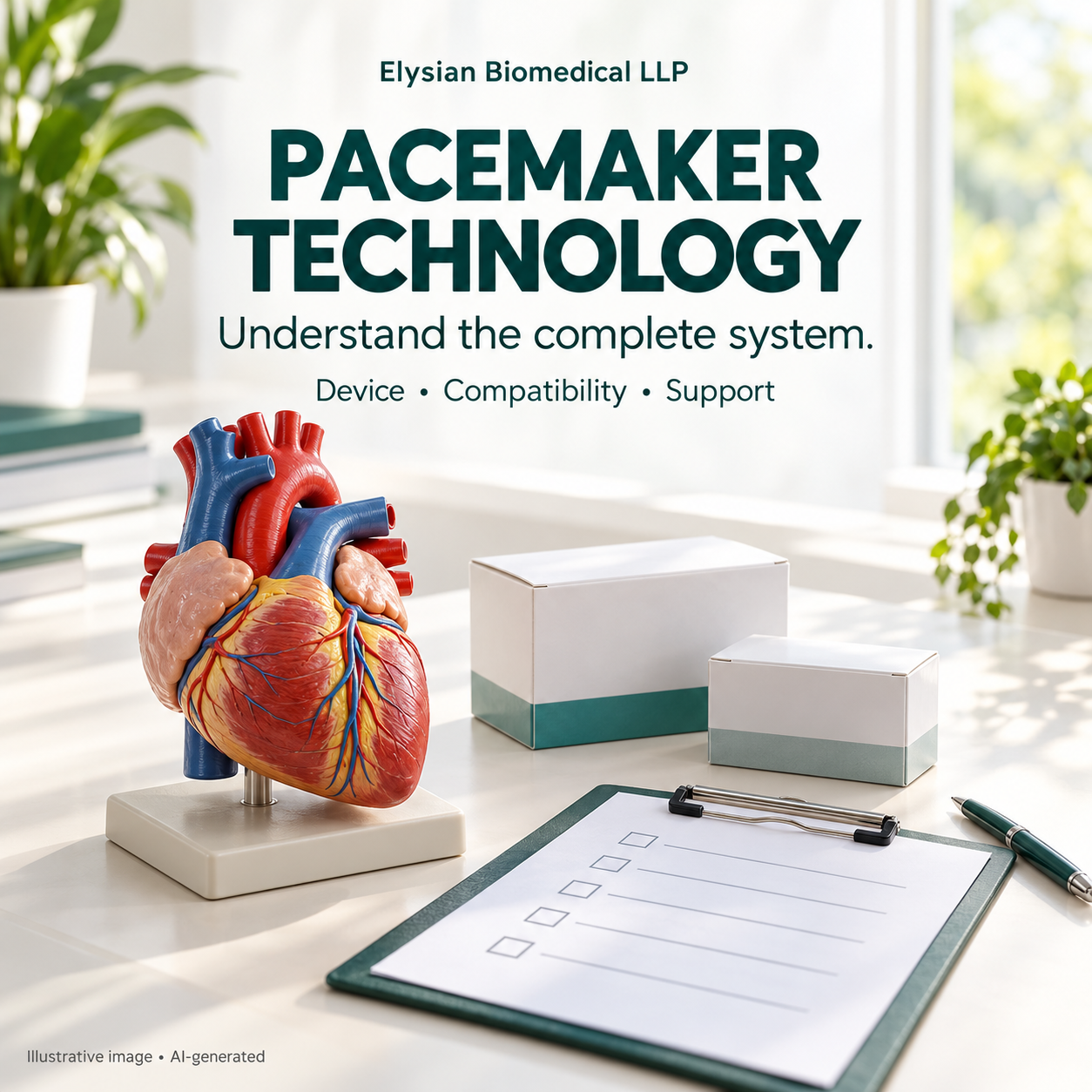
Source reviewed: WHO, Procurement and technical specifications (page undated; reviewed 20 October 2026). Image: AI-generated illustration of a generic cardiac-care workspace; not a specific product, patient or Elysian facility.